Trichotillomania
Trichotillomania (Hair-Pulling Disorder) is a body-focused repetitive behavior characterized by recurring urges to pull out one’s hair, often resulting in noticeable hair loss and emotional distress. The Anxiety Center provides evidence-based treatment, including Habit Reversal Training (HRT), Cognitive Behavioral Therapy (CBT), medication management, and personalized care to help individuals reduce hair-pulling behaviors and regain control.
About
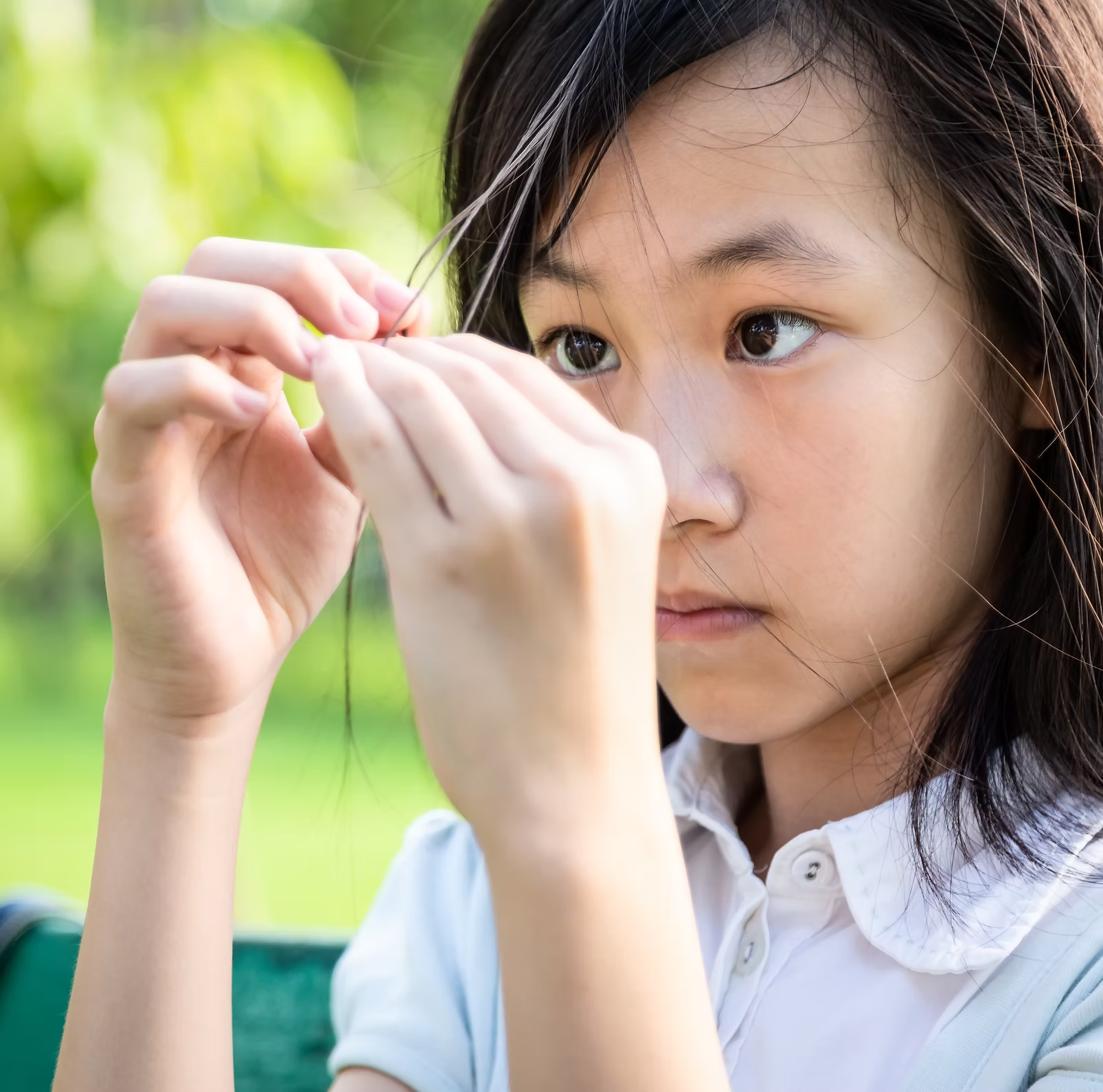
Trichotillomania, clinically known as hair-pulling disorder, is a body-focused repetitive behavior characterized by the compulsive urge to pull out one's hair, resulting in noticeable hair loss and significant psychological distress. This behavior commonly targets hair from the scalp, eyebrows, eyelashes, or other body areas. Individuals with trichotillomania typically experience mounting tension before pulling and a sense of relief or gratification afterward.
The disorder often leads to patchy hair loss, skin irritation, and various emotional or social challenges. Trichotillomania frequently co-occurs with other mental health conditions, such as anxiety, depression, or obsessive-compulsive disorder (OCD). Children with trichotillomania may attempt to conceal their hair loss, contributing to feelings of shame or embarrassment, and may avoid social situations to prevent their behavior from being noticed.
Treatment
Effective treatment of trichotillomania involves evidence-based approaches such as cognitive-behavioral therapy (CBT) to modify the underlying thoughts and behaviors associated with hair-pulling. Habit reversal training (HRT), a critical component of CBT, enhances awareness of hair-pulling triggers and trains individuals to engage in alternative, non-damaging behaviors. Acceptance and commitment therapy (ACT) can also be beneficial by helping individuals accept their urges without acting on them and commit to actions aligned with their values.
Pharmacological interventions, such as selective serotonin reuptake inhibitors (SSRIs) or N-acetylcysteine, an amino acid supplement, may be prescribed to alleviate symptoms. Incorporating mindfulness training and stress management techniques, including yoga and relaxation exercises, can further help reduce the triggers for hair-pulling. A multidisciplinary approach, involving support from family, educators, and healthcare professionals, is essential to foster a supportive environment, enabling individuals with trichotillomania to develop healthier coping mechanisms and improve their overall quality of life.
Our Principles
Guide Us

Excellence
We strive to provide exceptional care that surpasses patient expectations.

Science
Science guides us, evolving with new knowledge, as it remains both provisional and an equalizer.

Innovation
We strive to provide exceptional care that surpasses patient expectations.

Courage
Creating the unprecedented can be chaotic, but we believe our greatest challenges catalyze growth.

Relationship
We foster transformative relationships with our team and patients, rooted in love, empathy, and joy
Integration
Life is interconnected; our health should be too. Care must be contextual, nuanced, and integrated.
Ready to take
the next step?
Our intake team can typically schedule an assessment within a few days.
Call us or submit the form, we'll take it from there.
Same-week assessments often available · In-network with most major insurance · Medicaid accepted