
How ERP Actually Helps Anxiety

Exposure therapy can sound intimidating when anxiety already feels overwhelming.
Many clients and caregivers worry ERP means being pushed too far too fast.
Those fears are common and they make a lot of sense.
When anxiety is already taking up so much space, the idea of facing fears can feel like too much.
Misunderstandings about ERP often make it seem harsher than it really is.
ERP is actually designed to be structured supportive and collaborative.
It is not about forcing fear or ignoring limits.
The goal of ERP is not to eliminate anxiety.
The goal is to reduce how much control anxiety has over daily life.
In this guide, we will explain how ERP is paced, why avoidance keeps anxiety stuck, how ERP builds emotional tolerance, and what real progress in ERP actually looks like.
What does progress in ERP mean?
ERP is not designed to make anxiety disappear.
Research shows people can still feel anxiety and live meaningful lives.
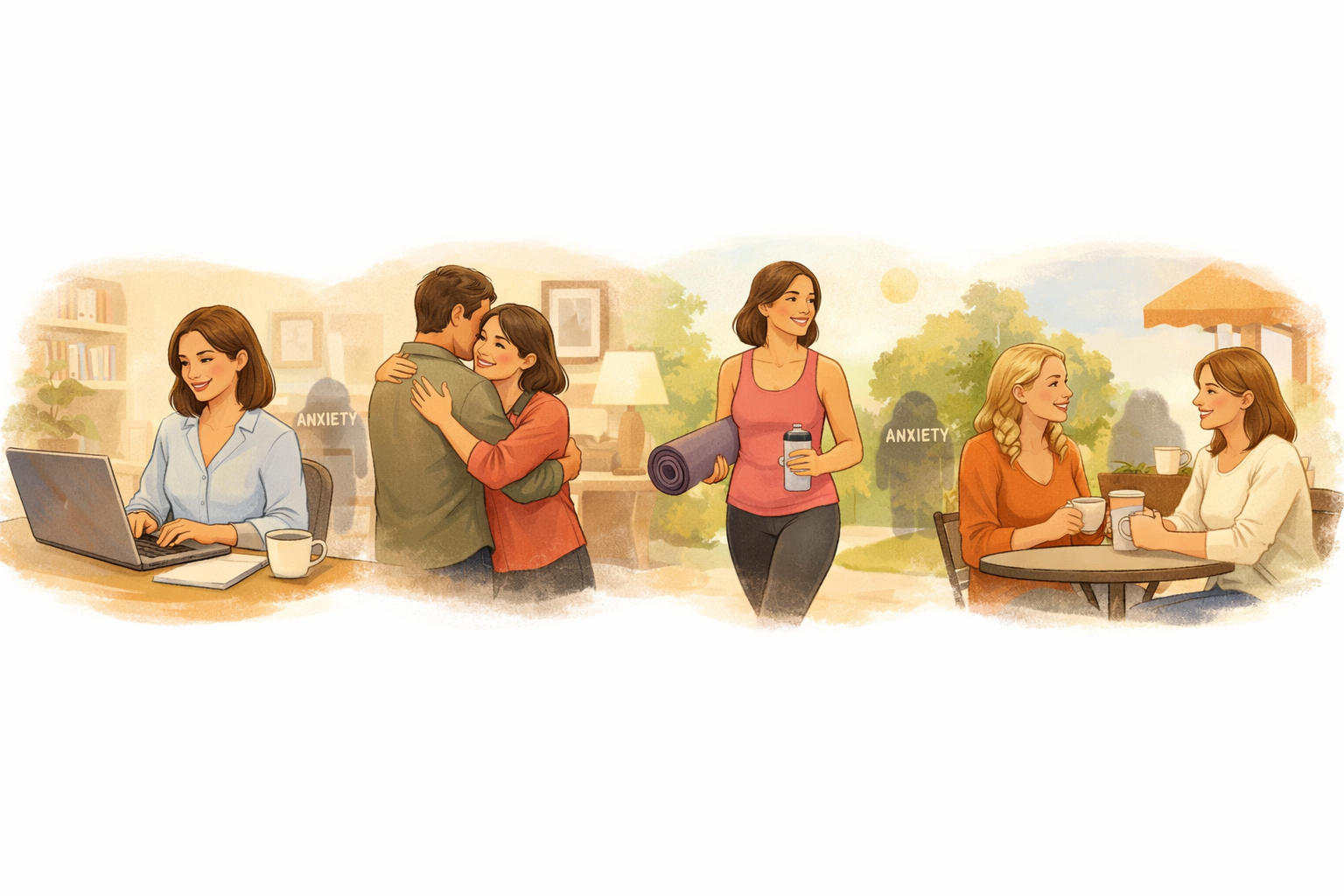
As ERP progresses, people begin doing things anxiety once prevented.
Work, relationships, and daily routines become possible again.
Progress is measured by freedom and engagement rather than the absence of fear.
“Success isn’t the absence of symptoms, it’s living in your values, improving where anxiety causes the most friction.” — Jeremy Nelson, LPCC, TAC Dayton Office, Associate Clinician
Evidence: “Systematic reviews and meta-analyses show that Exposure and Response Prevention improves quality of life and daily functioning, even when some anxiety symptoms remain, helping people return to work, relationships, and meaningful activities.”
Source: Journal of Psychiatric Research, Effect of OCD Treatment on Quality of Life (Systematic Review and Meta-Analysis), 2025
Why Does Avoidance Keep Anxiety Stuck?
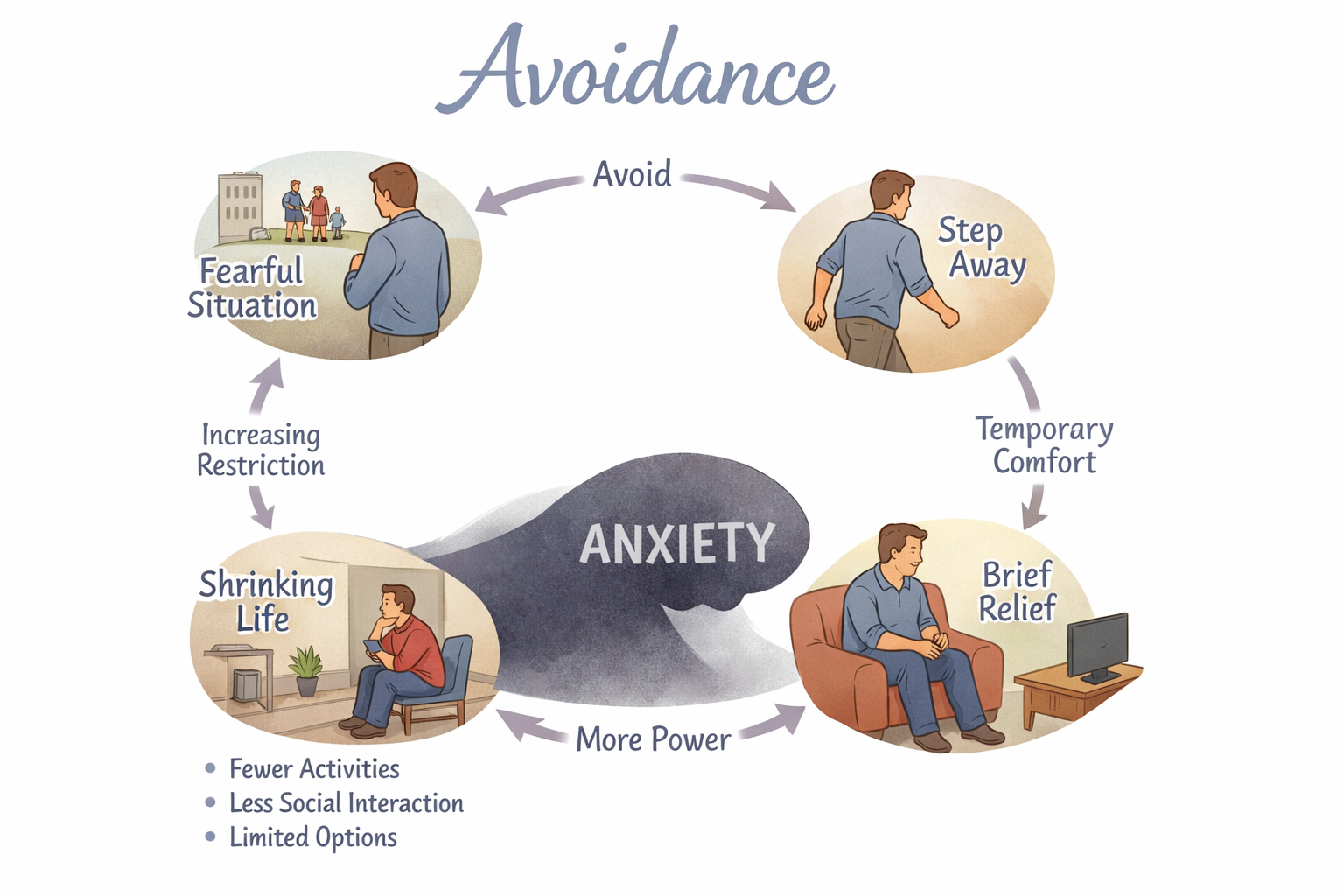
Avoidance often feels like relief in the moment.
Stepping away from fear can calm anxiety temporarily.
That relief can be convincing when anxiety feels intense.
But avoidance teaches the brain that anxiety is dangerous.
When feared situations are avoided, the brain never learns they can be tolerated.
Over time, anxiety becomes more persistent and more restrictive.
Life slowly shrinks around what feels unsafe.
“Avoidance is central to what maintains anxiety. When someone avoids a feared situation, the brain doesn’t learn that the threat was actually safe.” — Jeremy Nelson, LPCC, TAC Dayton Office, Associate Clinician
Evidence: “Research shows that avoidance behaviors provide short-term relief but reinforce and intensify anxiety over time by preventing new learning that feared situations are tolerable.”
Source: Neuroscience Applied, Virtual Reality Exposure Therapy for Public Speaking and Social Anxiety, 2024
How Does ERP Build Emotional Tolerance?
ERP does not work by eliminating uncomfortable feelings.
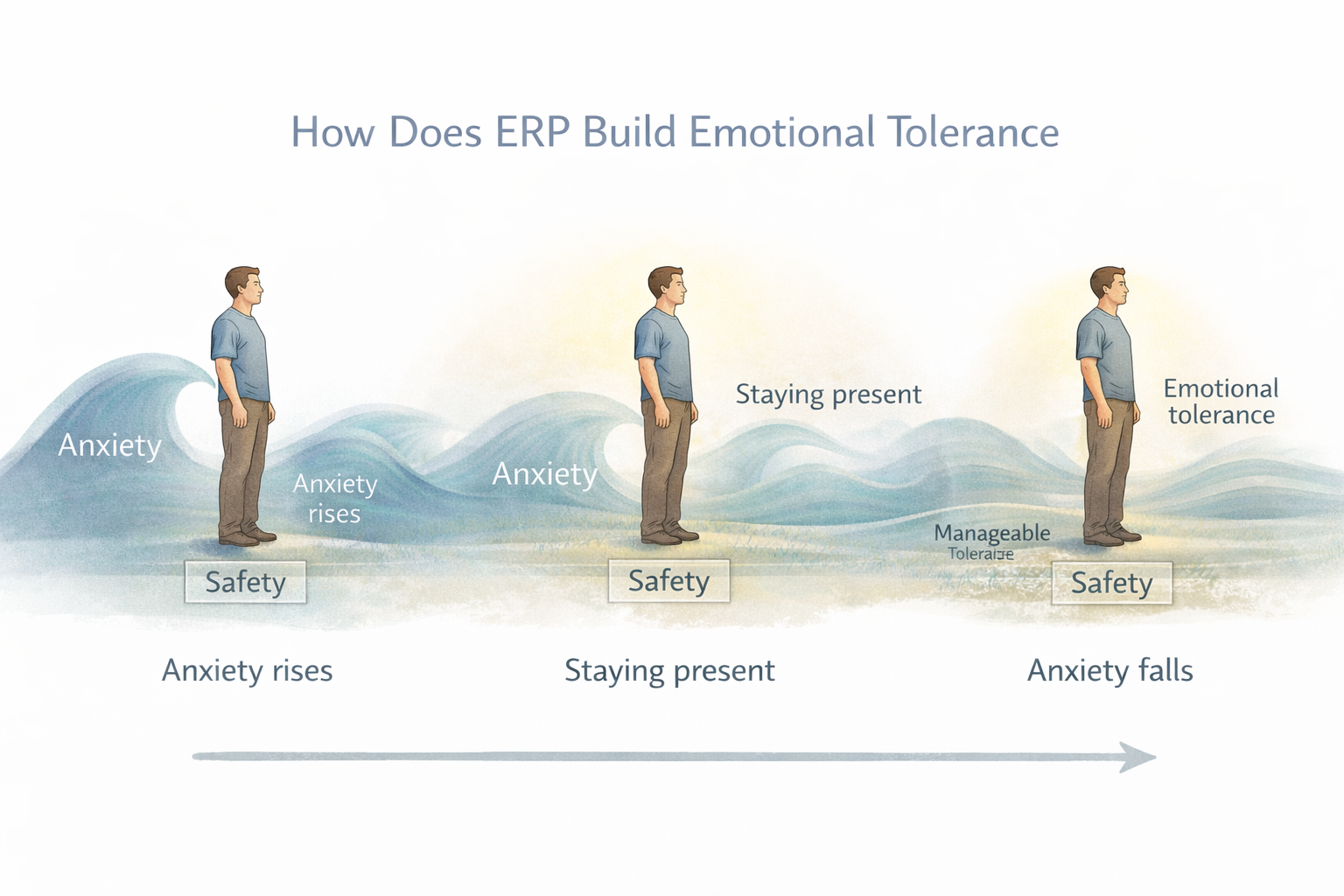
Instead, it helps people learn they can experience anxiety and still be okay.
During ERP, clients practice staying present with discomfort rather than escaping it.
Over time, the brain learns that anxiety can rise and fall without causing harm.
This builds confidence in the ability to cope with difficult emotions.
Anxiety may still show up, but it feels more manageable and less overwhelming.
“ERP helps people learn they can feel anxious without being unsafe. They don’t have to like the feeling to handle it.”— Jeremy Nelson, LPCC, TAC Dayton Office, Associate Clinician
Evidence: Research shows that Exposure and Response Prevention increases distress tolerance and emotional self-efficacy, helping individuals feel more capable of handling strong emotions as symptoms improve.
Source: Journal of Affective Disorders, Feeling More Confident to Encounter Negative Emotions, 2024
Starting ERP Treatment at TAC: What Happens First (And Why It’s So Simple)
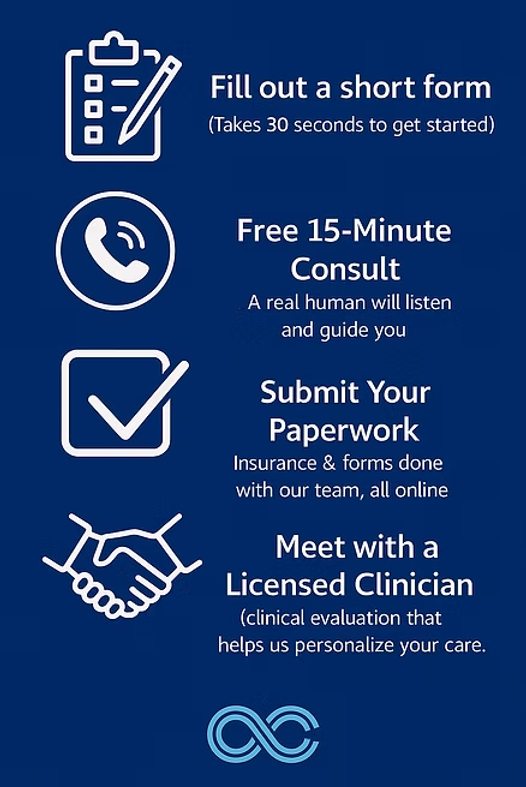
👉 Fill out our 30-second form to get started
We start with something simple.
Listening.
No pressure to explain everything.
No expectations of where you “should” be.
Just a safe space to say,
“I’m struggling. And I need help.”
You’re not alone.
And you’re not failing.
You’re already doing the most important thing: seeking support.
Let us walk with you the rest of the way.
DISCLAIMER: This content is for informational purposes only and does not constitute medical advice, diagnosis, or treatment; always consult a licensed professional.