
Medication Management for Anxiety and Depression: What Patients Should Know

If you’ve ever wondered whether medication might help your anxiety or depression, you’re not alone.
Many people are unsure what "medication management" actually means, how medications are chosen, or whether taking medication means they’ll need it forever.
These concerns are extremely common.
To help clarify how the process works, we spoke with Stephanie Visjager, Psychiatric Nurse Practitioner, about how mental health medication decisions are made and what patients should expect.
How Do Clinicians Decide If Someone Actually Needs Medication?
The first thing clinicians look at is symptoms.
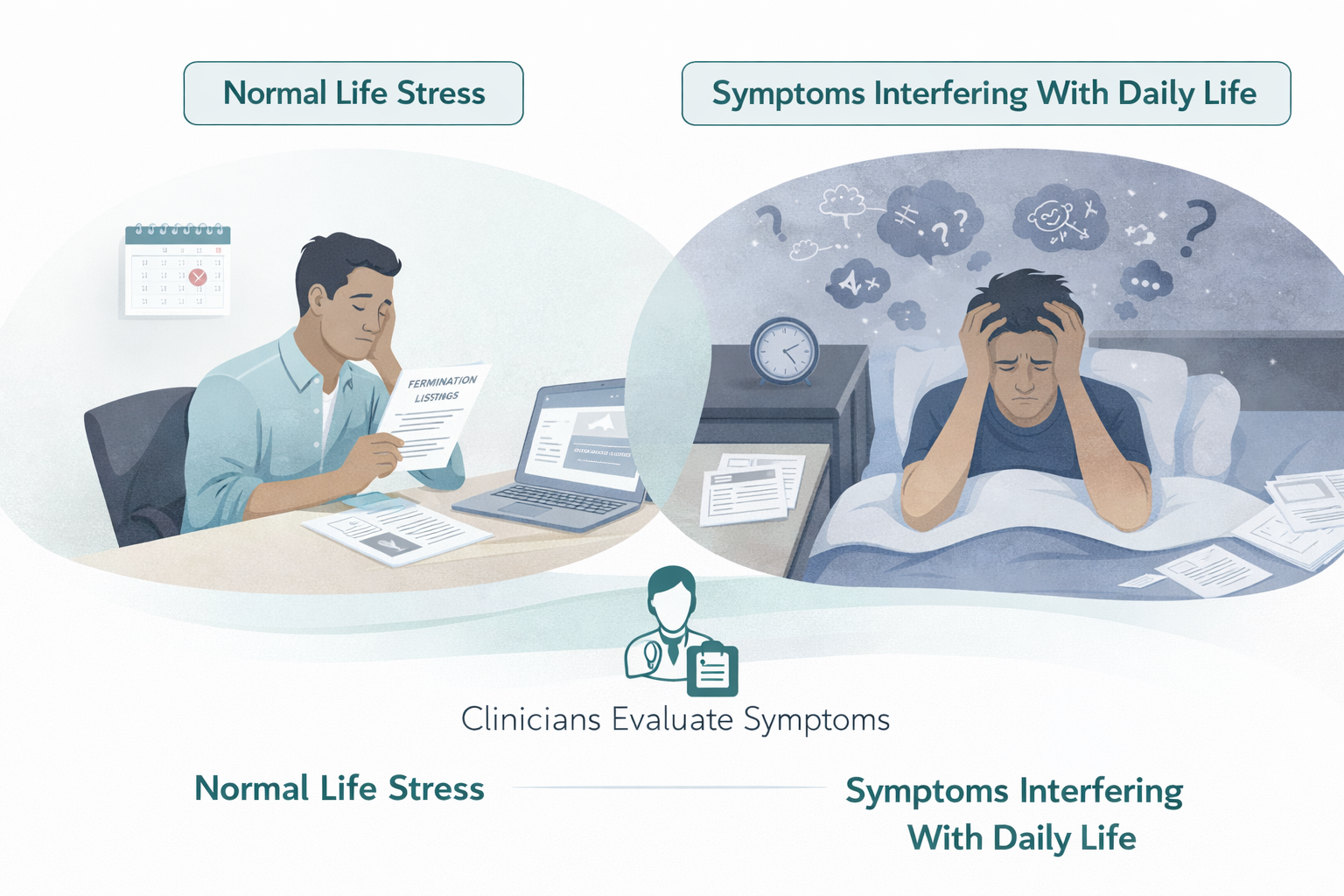
Medication is not meant to treat normal emotional reactions to life events.
For example, if someone recently lost their job and is feeling anxious or down, that reaction may be completely understandable.
In those situations, medication may not be the right solution.
However, the situation changes when symptoms begin interfering with a person’s ability to function.
Examples might include:
Severe anxiety preventing someone from searching for jobs
Not sleeping for several nights in a row
Panic that interferes with daily responsibilities
When symptoms begin impacting sleep, thinking, or daily functioning, medication may become a helpful option.
Another important factor is whether someone has already tried other approaches such as therapy, lifestyle changes, or coping strategies.
Medication is often considered after other treatment approaches have been explored.
What Does “Medication Management” Actually Mean?
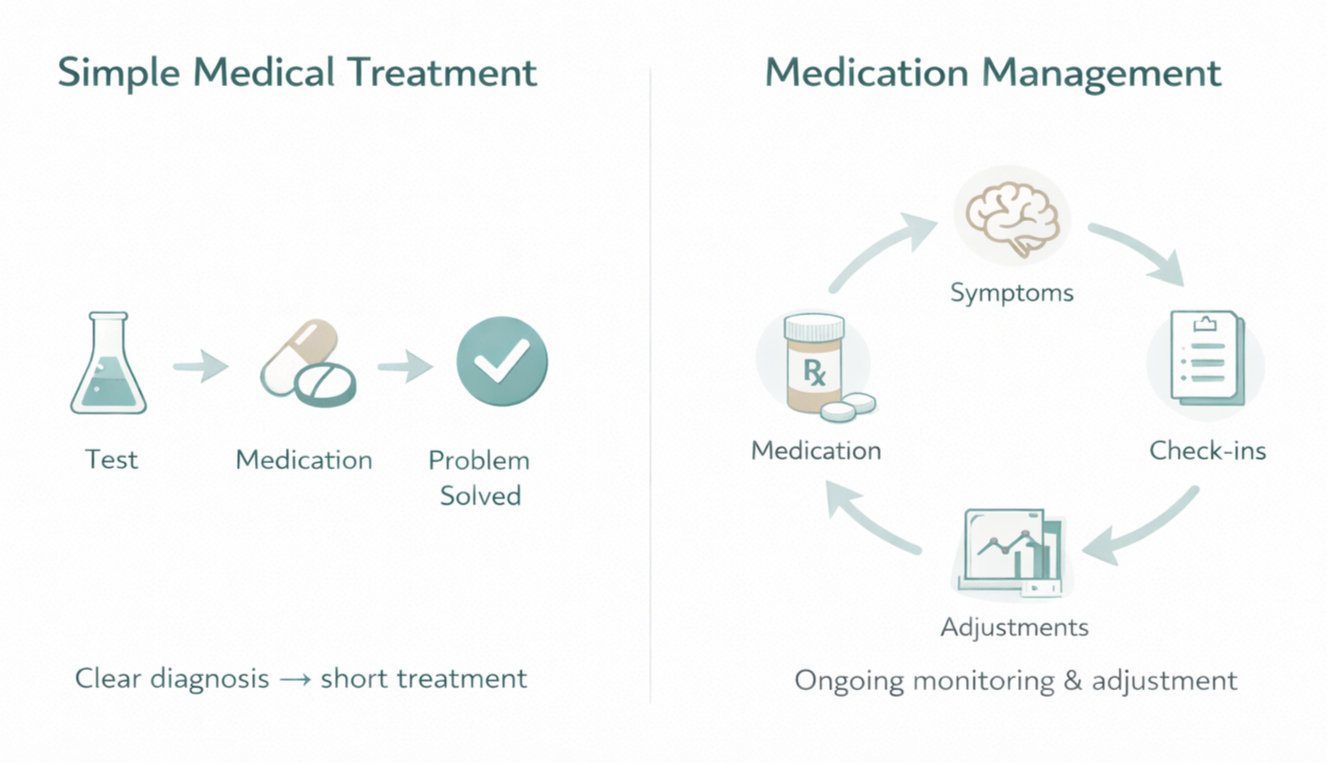
Many people imagine medication working like antibiotics.
You take a test.
The doctor identifies the problem.
You take a medication for ten days and you're better.
Mental health treatment works differently.
Medication management is often a process of adjustment and monitoring.
Clinicians evaluate:
Symptoms
Medication response
Side effects
Changes in functioning
There are also many different types of medications within each category.
For example, antidepressants include several classes:
SSRIs
SNRIs
TCAs
Each works slightly differently, and each person responds differently.
Because of this, treatment often involves finding the medication that provides the most relief with the fewest side effects.
What works well for one person may not work the same for another.
Why Family History Matters in Mental Health Treatment
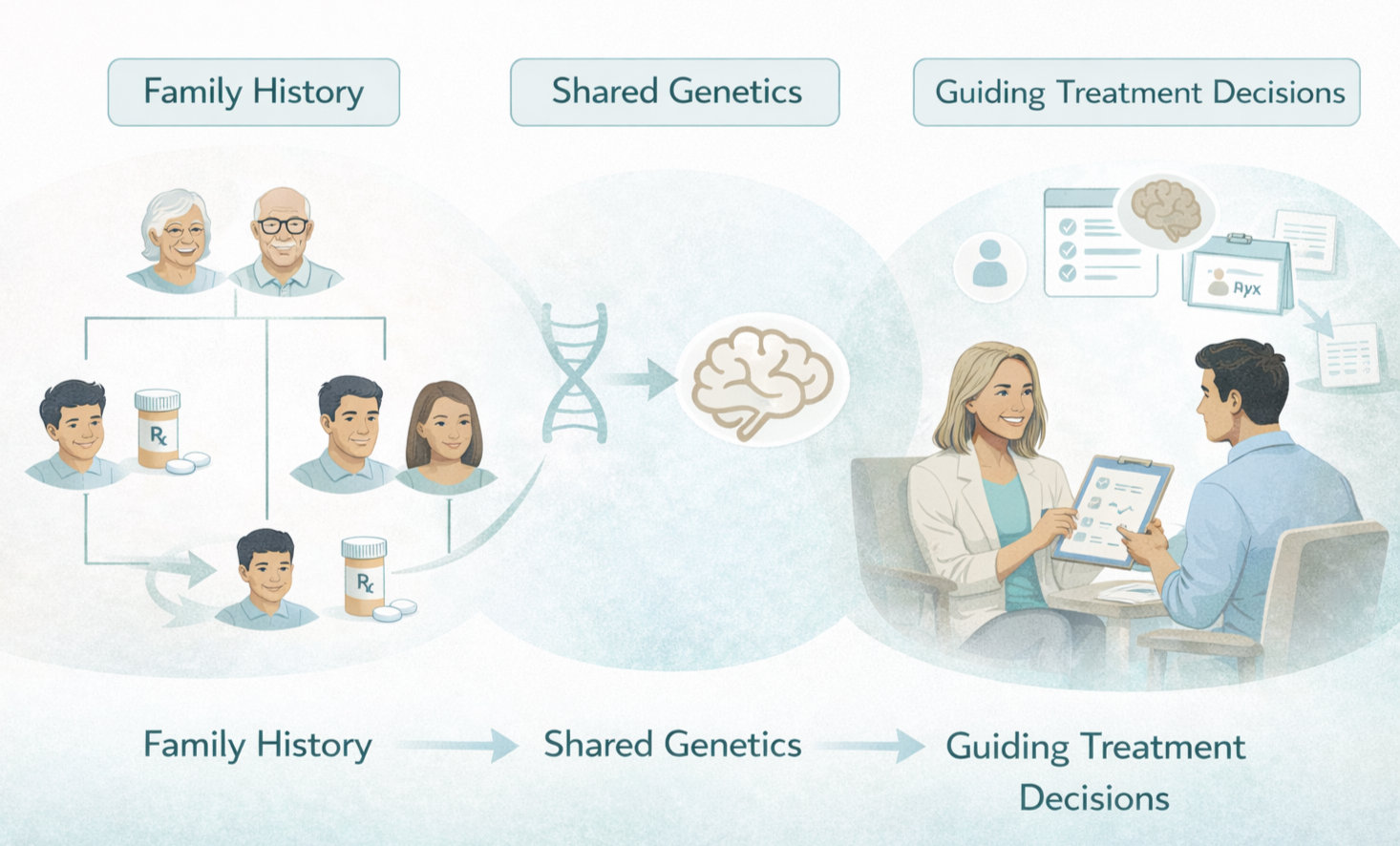
Family history can provide important clues when choosing medications.
If a close blood relative has taken a medication successfully, that information can sometimes guide treatment decisions.
This is because family members share genetic factors that may influence how the brain responds to certain medications.
For example, if a parent has responded well to a medication like Wellbutrin, and the patient has similar symptoms, clinicians may consider trying that medication first.
Family history can also help clinicians understand potential diagnoses or symptom patterns.
In some cases, learning about conditions such as bipolar disorder or schizophrenia in the family can help clinicians better interpret symptoms a patient is experiencing.
Do Anxiety and Depression Use the Same Medications?
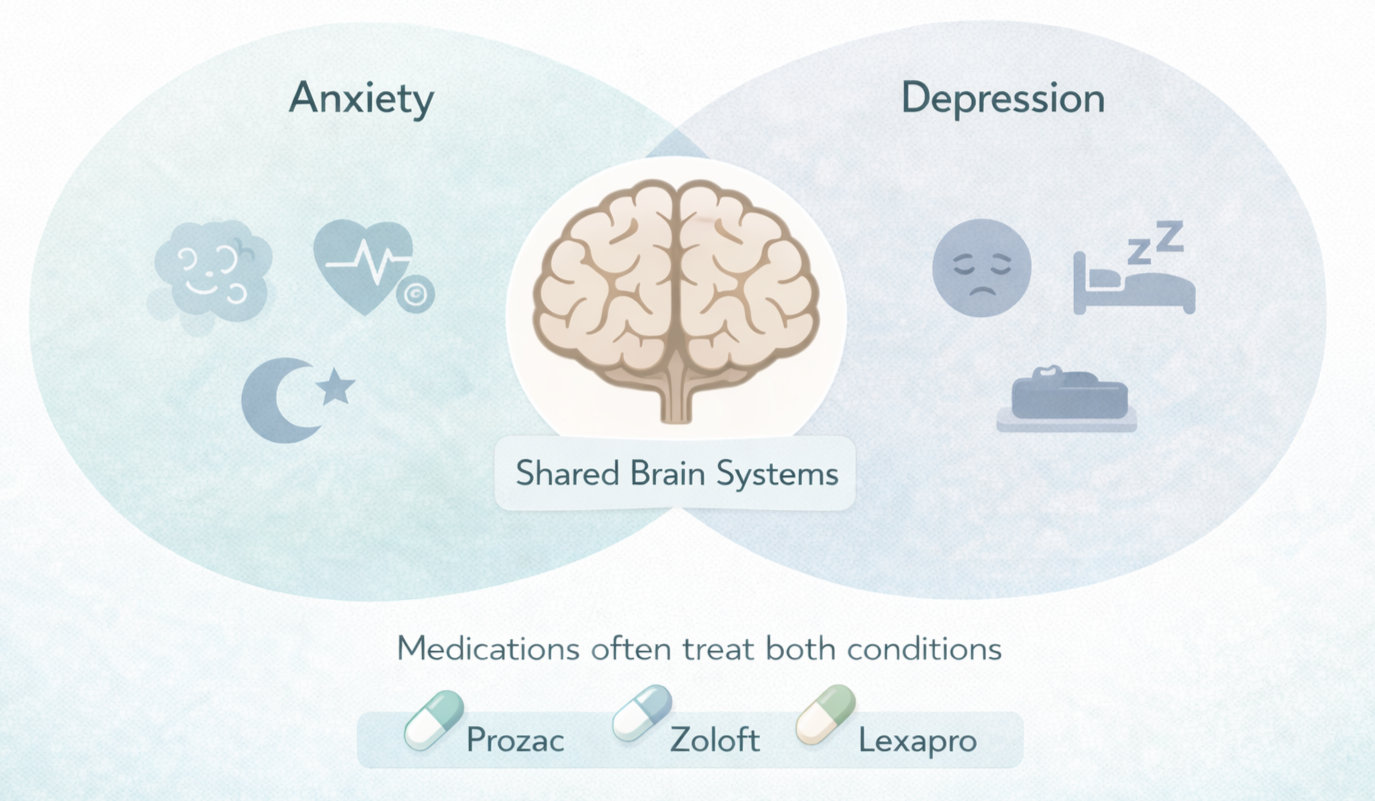
Many people are surprised to learn that anxiety and depression are often treated with the same medications.
Conditions like anxiety and depression affect many of the same brain systems.
Because of this overlap, medications such as:
Prozac
Zoloft
Lexapro
are commonly used to treat both conditions.
Patients sometimes worry when they are prescribed an antidepressant for anxiety.
However, these medications are designed to regulate the brain systems involved in both mood and anxiety.
There are also medications called benzodiazepines (such as Xanax, Ativan, or Klonopin) that can reduce anxiety quickly.
However, these medications are used cautiously because they can become habit-forming.
For that reason, clinicians often prioritize long-term treatments like antidepressants and therapy rather than relying heavily on benzodiazepines.
Are Mental Health Medications Addictive?
This is one of the most common questions patients ask.
Most medications used to treat anxiety and depression are not addictive.
However, certain medications — such as benzodiazepines or stimulants — do require closer monitoring because the body can develop tolerance.
That’s one reason medication management involves ongoing follow-up and partnership between the patient and clinician.
If side effects occur or a medication is not helping, adjustments can always be made.
Patients are never locked into a medication permanently.
Will I Need to Take Medication Forever?
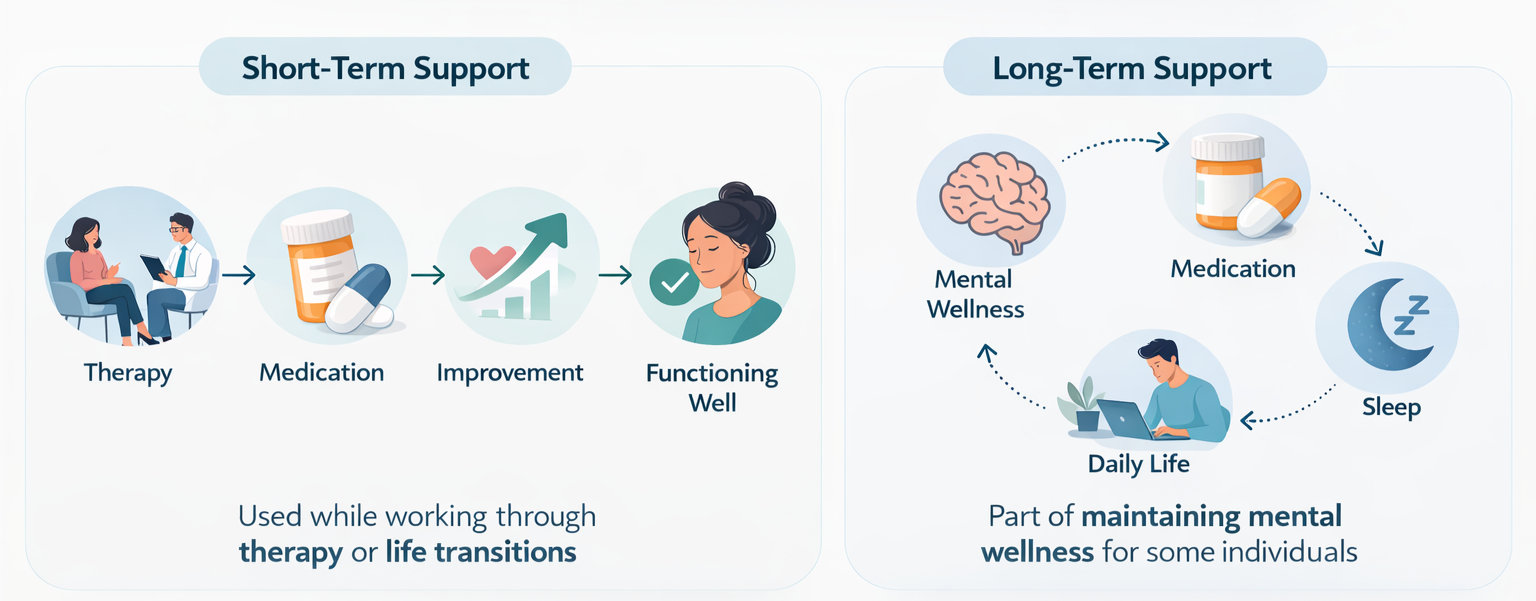
Many people hesitate to start medication because they worry they will become dependent on it for life.
In reality, medication decisions are highly individualized.
Some people use medication for a shorter period while working through therapy or major life transitions.
Others may benefit from longer-term support.
A helpful way to think about it is this:
If a medication improves your ability to function, sleep, work, and enjoy life, it can be a valuable tool.
Just like we eat food, drink water, and sleep every day to maintain our health, some people take medication as part of maintaining mental wellness.
Can Mindset Affect Whether Medication Works?
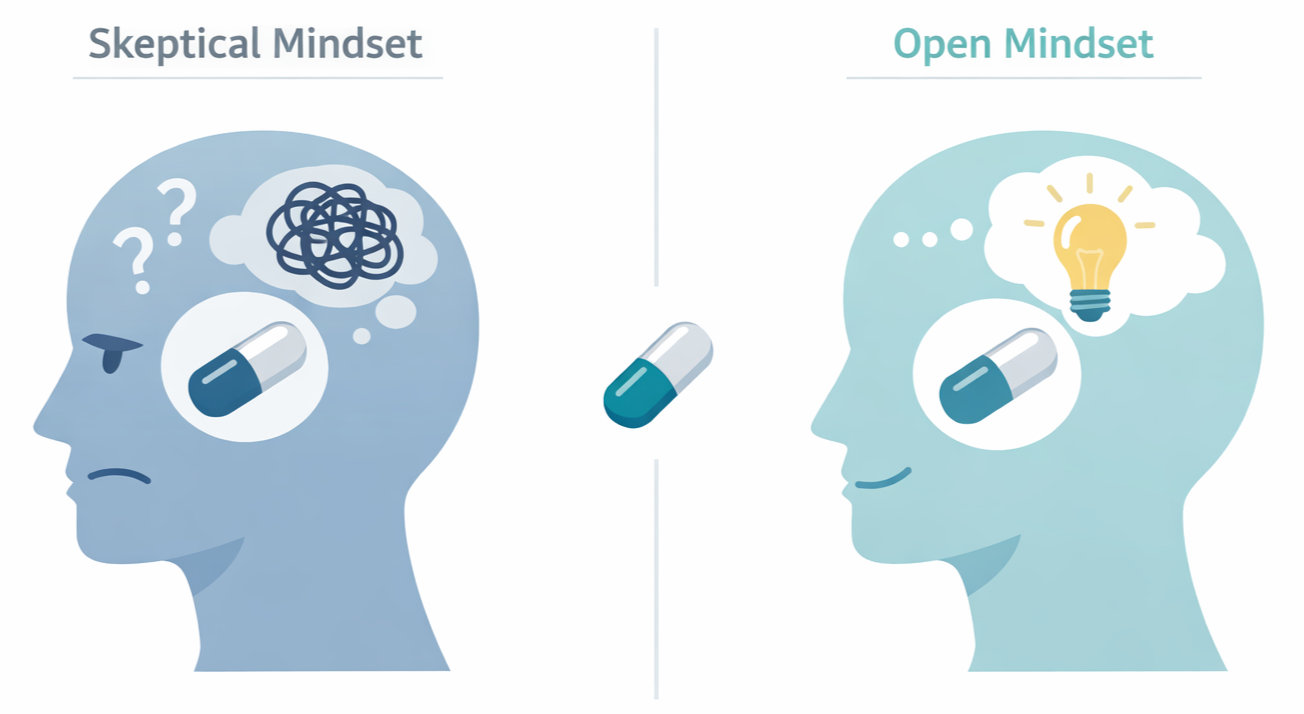
Mindset can influence how people respond to treatment.
If someone begins medication believing strongly that it will never help them, it may be harder for them to notice improvements.
On the other hand, people who approach treatment with openness and hope may have a better chance of benefiting from it.
This does not mean medication works purely through belief.
But it highlights why therapy and psychological support are just as important as medication.
Medication may help stabilize symptoms, while therapy helps people build the tools needed for long-term recovery.
Medication Is Only One Part of Treatment
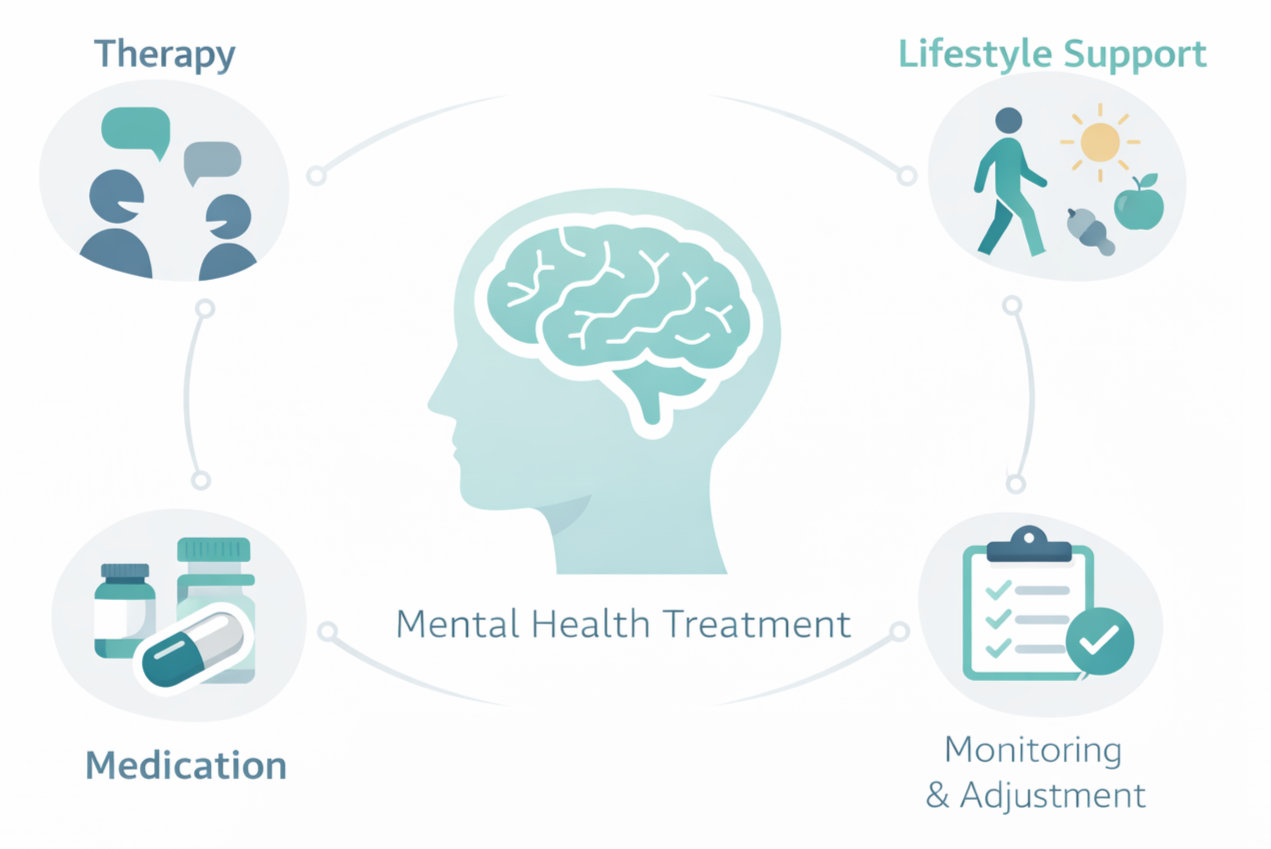
At The Anxiety Center, medication is never viewed as the only solution.
The most effective treatment plans often combine:
Lifestyle support
Medication when appropriate
Ongoing monitoring and adjustment
This comprehensive approach helps patients move beyond symptom relief toward long-term healing.
When to Consider Medication for Anxiety or Depression
Medication may be worth discussing with a clinician if:
Symptoms interfere with daily functioning
Anxiety or depression persist despite therapy
Sleep or concentration are severely impacted
Panic attacks or intrusive thoughts are overwhelming
A qualified mental health professional can help determine whether medication, therapy, or a combination of both is the best path forward.
Take the Next Step
If anxiety, OCD, or depression are affecting your life, the right treatment can make a significant difference.
The Anxiety Center offers evidence-based therapy and medication management to help people move from surviving to thriving.
You can schedule a free consultation to discuss your symptoms and explore treatment options with a member of our care team.